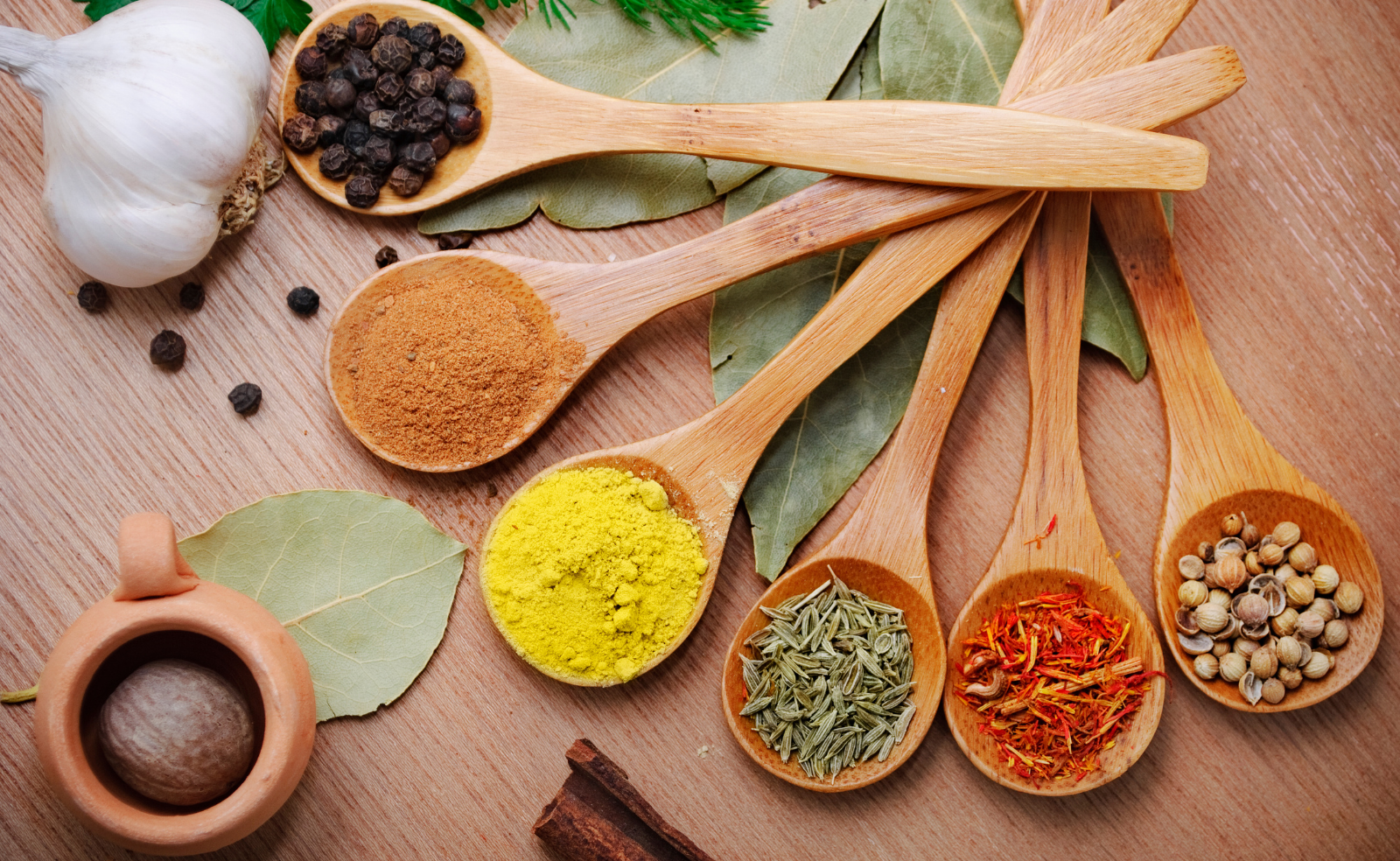
Spices have always played a fundamental role in European culinary culture , enriching dishes and traditions with unique and unmistakable aromas . This journey through European spices will lead us to discover the historical and geographical roots of some of the most precious ingredients in our cuisines.
Since ancient times, European countries have been a crossroads of trade , particularly for spices from the East. However, the continent has developed its own tradition of indigenous spices, cultivated and used in local cuisines . These spices not only flavor dishes, but also tell stories of lands, cultures, and centuries-old traditions that have influenced European economics, exploration, and the arts.
France and Pain d'Épices: A Dessert Steeped in History
Pain d'épices , often translated as gingerbread or gingerbread , is much more than just a traditional French dessert; it is a true cultural symbol with roots in the Middle Ages . This sweet, spiced bread has been a staple for generations of French people, becoming a staple at holidays and family celebrations.
Legend has it that the recipe was introduced to Europe in the 9th century by Armenian monks who brought a spiced honey bread with them. However, it was in the city of Reims that pain d'épices found its spiritual home. In the 14th century, Reims bakers refined the recipe, adding a blend of exotic spices from the East, such as cinnamon, ginger, star anise, nutmeg, and cloves.
Pain d'épices quickly became popular not only for its unique flavor, but also for its preservative properties, thanks to honey acting as a natural sweetener. During harsh winters, this dessert provided energy and warmth , becoming a comfort on cold evenings .
Spain and Paprika: The Spicy Heart of Iberian Cuisine
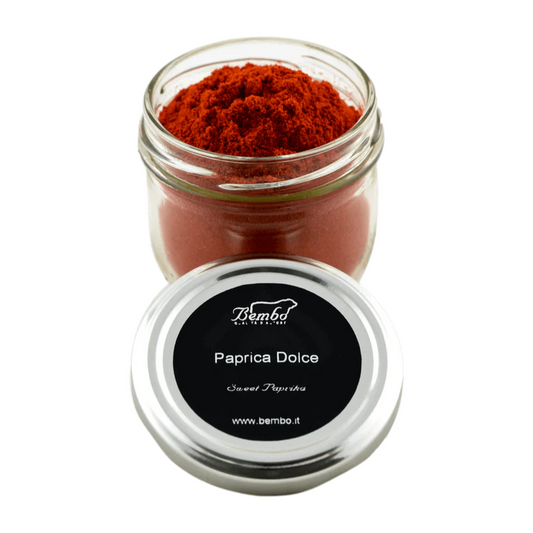
Moving to vibrant Spain , we find a spice that has profoundly influenced its culinary identity: paprika , known locally as pimentón . Imported from the Americas in the 16th century thanks to the explorations of Christopher Columbus , paprika found fertile ground on the Iberian Peninsula, becoming an indispensable ingredient.
Spanish paprika is distinguished by its different varieties: sweet, sweet and sour, and spicy, each with a specific flavor profile . In the Extremadura region, the peppers are smoke-dried over oak wood, giving pimentón de la Vera its distinctive smoky flavor .
This spice is the soul of many traditional Spanish dishes. The famous chorizo , with its deep red color, owes its bold flavor and inviting appearance to paprika. Paella , a symbol of Spanish conviviality , is often enriched with a touch of paprika, enhancing the seafood or earthy flavors present in the dish.
But it's in patatas bravas that paprika expresses its full power. This tapas dish, consisting of fried potatoes served with a spicy pimentón sauce, is an explosion of flavors that perfectly captures the warm and festive spirit of Spain.
Turkey's Spices: An Aromatic Bridge Between East and West
Turkey , located between Europe and Asia, has always been a crossroads of cultures, traditions, and flavors. This meeting of worlds is beautifully reflected in its rich and varied cuisine , where spices play a key role in creating dishes that are simultaneously familiar and exotic.
The word "baharat" in Arabic simply means "spice," but in Turkey it represents an aromatic blend that is the very essence of Middle Eastern cuisine. Turkish baharat is a skillfully balanced blend of different spices that, when combined, create a complex and enveloping flavor profile .
The traditional baharat blend can vary slightly depending on the region and family, but generally includes black pepper, cumin, coriander, cloves, cinnamon, cardamom, nutmeg, and paprika. This combination of spices gives dishes a depth of flavor that is simultaneously warm, sweet, and slightly spicy.
Baharat is used in a variety of dishes, from meat to vegetables. It is essential in dishes like kebab , where meat is marinated in this mixture to enhance its flavor, or in pilav , a rice-based dish enriched with nuts and spices. Baharat is also often used in soups and stews, adding complexity and richness to the broth .
The use of baharat in Turkey reflects the historical influence of the spice routes, which brought aromas from the East to the Mediterranean . This blend is a perfect example of how Turkish cuisine has integrated diverse culinary traditions, creating unique flavors that continue to delight palates around the world.
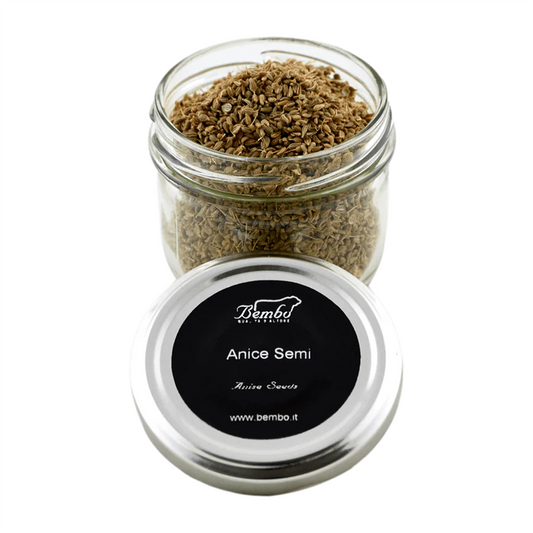
Anise is another essential spice in Turkish culture , used both in cooking and in the preparation of traditional beverages . With its sweet, slightly alcoholic flavor , anise adds a distinctive note to numerous recipes.
One of the most famous uses of anise in Turkey is in the production of rakı , Turkey's national drink. Rakı is a grape or plum distillate flavored with anise seeds, which give it its characteristic flavor and aroma. In cooking, anise is used to flavor desserts and baked goods. An example is Pişmaniye , a cotton-like sweet, where anise adds a delicate fragrance that complements the sweetness of the sugar. Anise seeds are also often added to bread and biscuits , enriching the dough with their unmistakable flavor .